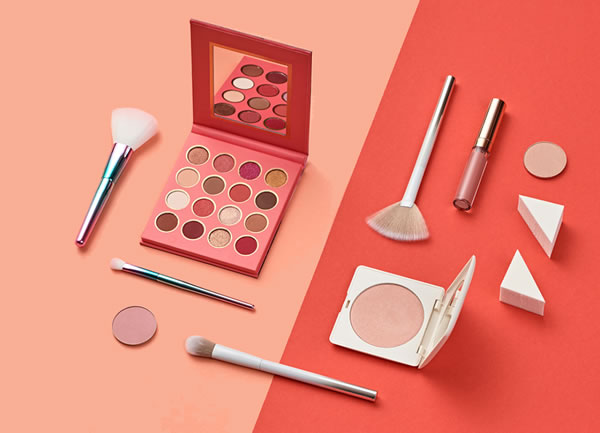



In UK law the term ‘cosmetics’ covers a whole variety of products. Bath and shower products, shampoos, cleansers, skincare, make-up, deodorants and antiperspirants, sunscreens, oral hygiene products like toothpastes, hair dyes, fragrances and perfumes, and much more.
We apply these products to our skin, hair, nails and teeth daily to support our, hygiene, health, wellbeing and confidence, so it’s crucial that they are safe for us to use and enjoy.
In the UK, cosmetics are subject to three robust layers of safety assurance:
- Legal requirement – UK legislation mandates that cosmetics must be safe for human health
- Professional responsibility – Qualified assessors personally sign off on the safety of each product
- Regulatory enforcement – Authorities can review product safety documentation at any time, which means manufacturers are accountable
The safety laws that govern cosmetics
Cosmetics in the UK are governed by strict laws that are designed to keep us safe. Every cosmetic product must pass a thorough safety assessment before it can be sold. This requirement is part of the UK Cosmetics Regulation (Assimilated Regulation 1223/2009 of the European Parliament and of the Council of 30 November 2009 on cosmetic products) , which also outlines how these assessments must be conducted.
In the UK, the manufacture and supply of all cosmetic products is governed by the Cosmetics Regulation (Assimilated Regulation 1223/2009 of the European Parliament and of the Council of 30 November 2009 on cosmetic products) Previously, before the UK left the European Union on 1 January 2021, the UK was regulated by the European equivalent of this regulation known as the EU Cosmetics Regulation ((EC) No. 1223/2009) and its amendments, which is still the case in Northern Ireland.
Both Regulations lay down rules for:
- Product safety, including the in-depth safety assessment
- Roles and responsibilities
- Good Manufacturing Practice (GMP)
- Keeping appropriate documentation about the product
- Notification of product information on a Government database
- Ingredient bans and restrictions
- Animal testing ban
- What to include on the label
- Ensuring claims are truthful and accurate
- Monitoring any unwanted reactions to the cosmetic product
The UK Government department responsible for the cosmetics laws is the Office for Product Safety and Standards (OPSS), which sits within the Department for Business, Innovation, Science and Trade (BIST).
In addition, the safety of ingredients used in cosmetics is controlled by a law known as UK REACH (Registration, Evaluation and Authorisation of Chemicals). This legislation is designed to protect the safety of consumers and the environment by requiring safety data for any chemical that is manufactured or imported into Great Britain.
UK REACH applies to many substances, including those used in everyday cosmetic products. It exists to ensure chemicals are produced and used responsibly—and to give you peace of mind about the products you use.
Find out more about the cosmetic safety laws.
Ingredient controls
The UK Cosmetics Regulation tightly controls what can and cannot be used in cosmetic products. It includes:
- Banned substances - ingredients that cannot be used in products
- Restricted-use ingredients - ingredients that have strict conditions attached to their usage to ensure that the products are safe. For example, there may be concentration or product type limits.
- Approved ingredient categories - only specific colours, UV filters, and preservatives included on the lists are allowed to be used in cosmetic products
Expert scientific committees advise both UK and EU authorities on the safety of ingredients and ingredients are added to the above lists following detailed safety reviews by these independent committees. When the lists change, products need to be updated to ensure that they follow the updated rules and therefore remain compliant with the UK Cosmetics Regulation. These committees are:
In the UK: the Scientific Advisory Group on Chemical Safety in Consumer Products (SAG-CS)
In the EU: the Scientific Committee on Consumer Safety (SCCS)
The safety assessment process
Before any cosmetic product can be placed on the market, it must undergo a full evaluation by a professionally qualified safety assessor. It takes specific university-level qualifications and relevant experience to become a cosmetic safety assessor, so the standards are high.
There are fourteen individual parts to a Cosmetic Product Safety Report (CPSR), which are set out in the Cosmetics regulation. The report must include detailed information about the product’s composition, shelf-life, microbiological quality, packaging, and how it is used. The safety assessor also looks at how we will use the product and assesses the toxicological (human safety) profile of each ingredient, considers how much of each ingredient we will be exposed to, and reviews any unwanted effects reported by consumers after they have used the product. The final safety conclusion is based on a comprehensive analysis of all available data, ensuring that we can use cosmetic products with confidence in their safety.
Importantly, cosmetic products must not harm users when used as intended. The law makes this a legal requirement, not a guideline.
Lastly, each product must have a technical file called a Product Information File that includes all of its information, such as the formula, manufacturing process and safety assessment. This documentation must be accessible to authorities on request.
Safety assessments are not a one-off formality. They can be inspected at any time by enforcement bodies such as Trading Standards, which ensures that product manufacturers remain accountable for their decisions.
Beyond compliance, manufacturers have a strong incentive to uphold safety: their reputation. An unsafe product could cause lasting damage to consumer trust.
All animal testing is banned
In the UK, animal testing of cosmetic products was banned in 1997 following a voluntary industry initiative that led to the withdrawal of all testing licences. This was followed by a wider ban across the EU, which came into effect in September 2004. Since then, it has been illegal to test cosmetic products on animals anywhere in the UK or EU.
The ban was extended in March 2009-2013 to include cosmetic ingredients (not just the finished product). It is now illegal to test cosmetic ingredients on animals anywhere in the world when the testing is done to demonstrate safety for use in UK or EU cosmetics.
Today, whether a product includes an ‘animal friendly’ claim or not, you can feel confident that it has not been tested on animals.
The cosmetics industry is a pioneer in animal-free science
The cosmetic industry is a global pioneer in research into methods that do not use animals and is proud of its investment and success in developing alternatives to ensure consumer safety.
Significant scientific advancements have already been made and in particular, the cosmetic industry's efforts in collaboration with other stakeholders, has made a significant contribution to the replacement of regulatory animal testing to address skin irritation, genetic toxicology, eye irritation, and allergy potential. These methods have been validated and adopted by the Organisation for Economic Co-operation and Development (OECD) so that they are available to all industries to be used in the place of animal tests.
This dedication to replacing animal testing continues through the International Collaboration on Cosmetics Safety (ICCS), which is a global cosmetics industry initiative which brings together cosmetics manufacturers and suppliers, industry associations and animal protection organisations to accelerate the transition towards animal-free safety assessment for cosmetics, personal care products and their ingredients worldwide. ICCS is driving greater global awareness and confidence in animal-free science through method development, education and regulatory engagement. The ICCS is working towards a world where animal-free methods are accepted and used all over the world to demonstrate the safety of cosmetics for both humans and the environment.
Safety in action - the role of product recalls
From time to time, cosmetic products may be recalled from shops or customers. This usually happens as a precautionary measure. For example, when a particular batch doesn’t meet the manufacturer’s usual high standards.
In most cases, there is no risk to your health, and the recall is simply a responsible step to ensure product quality. It shows that the manufacturer is putting your safety first and taking action, even when the issue is minor or unlikely to cause harm.
While recalls can sound worrying, they are actually a sign that the system is working, keeping quality high and consumers informed.
Want to find out more about what’s in your products?
A-Z Of Cosmetic Ingredients and Terms - a helpful guide to the ingredients commonly used in cosmetics and personal care products.
COSMILE Europe App - helping consumers understand why certain ingredients are in cosmetic products, which properties they have and much more.