
The science behind our nails
Nails may seem simple, but they are surprisingly complex structures with important biological functions. Each nail is made up of six parts: the nail plate, nail bed, nail root, cuticle, perionychium, and hyponychium - the last two being the skin that surrounds and supports the nail.
The nail root, located deep within the dermis, is where growth begins. This is the only living part of the nail, producing keratin (the tough protein that makes up the nail plate) and pushing it forward as new cells form. The nail bed lies beneath the plate, supplying it with nutrients and support as it grows.
As the nail grows and extends beyond the fingertip, it becomes thicker and appears whiter. This visual shift can make it seem as though nails grow from the tips, but growth actually starts at the base, in the root.
Nails can reflect our overall health. They contain a delicate balance of nutrients, and deficiencies or imbalances in vitamins and minerals often show up in their appearance. Discolouration, splitting, or changes in texture can be signs of underlying health conditions.
How does nail polish work?
Nail art has come a long way over thousands of years. What began with simple mixtures of colours and setting agents found in nature has evolved into a sophisticated science, with entire teams of cosmetic chemists developing products that are vibrant, durable, and safe to use. Evidence has been found of henna being used in India to dye nails sometime between 9000 –5000B and in Ancient Egypt, mummies with faint henna staining of the nails have been discovered from a similar time period. The earliest form of nail ‘polish’ has been found in China. Colours were obtained from plants and vegetables, such as rose petals for pinks and reds. The colours were mixed with a paste of beeswax, gelatin and egg white. This would likely make a sticky, glue-like gel which would set on the nails after a few hours.
Today, nail polish is made from a blend of polymers, solvents, and pigments. Polymers, long-chain molecules made up of repeating monomer units, form a smooth film across the nail, locking in pigment to create a colourful, glossy and durable finish.
Solvents play a crucial role in the application process. They dissolve the other ingredients and evaporate quickly once applied, allowing the polish to dry and leaving behind a solid, even layer of colour.
To improve chip resistance, formulators add flexible ingredients that enhance the elasticity of the polymer film, helping it resist cracking or flaking. The inclusion of ‘sticky’ polymers increases adhesion, ensuring the polish bonds well to the nail surface and lasts longer.
Ongoing innovations in ingredient technology have also led to the development of textured finishes, from matte and shimmer to crackle and gel-effect polish, all designed to give users more choice, creativity and lasting wear.
What are artificial nails?
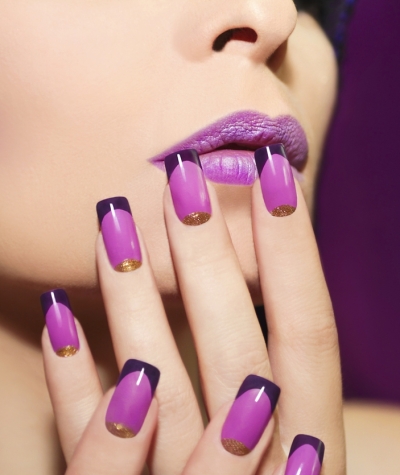
Artificial nails are popular cosmetic enhancements that can be professionally applied in salons or, in some cases, used at home. The two main types - Liquid & Powder (L&P) acrylic nails and UV gel nails - are both classified as cosmetic products under UK and EU regulations. As such, they are subject to the same strict safety laws as all other cosmetic products sold in retail outlets or used in professional salons.
In contrast, pre-formed “false nails” that are glued onto the natural nail, along with the glue itself, are not considered cosmetics. That’s because cosmetics must be substances that perform a cosmetic function - not physical items. These types of products are instead regulated under the General Product Safety Regulation (GPSR), which ensures that all general consumer products placed on the market are safe to use.
How are acrylic and gel nails applied?
Acrylic (L&P) nails
Acrylic nails are created by combining a liquid monomer with a powder polymer to form a pliable mixture that is sculpted onto the nail.
The powder component contains acrylate polymers such as polymethylmethacrylate (PMMA), pigments for colour, and a polymerisation initiator - usually benzoyl peroxide (BPO).
Once mixed, the acrylic forms a semi-solid substance that is shaped using a brush over the natural nail or a tip. It begins to harden almost immediately and reaches its fully cured state over several hours, though it becomes touch-dry and firm within about five minutes.
UV gel nails
UV gel nails are formed using a thick gel that is cured under a UV or UV LED lamp. The gel usually contains a blend of short-chain urethane polymers, methacrylate monomers such as HEMA (2-hydroxyethyl methacrylate) or hydroxypropyl methacrylate, and a photoinitiator that reacts to UV light to start the hardening process.
The gel is carefully sculpted onto the nail to form the desired shape, then exposed to UV light, which triggers polymerisation. The result is a hard, glossy, and durable artificial nail.
Both acrylic and gel systems allow for beautiful, long-lasting nail enhancements, and continued innovation in formulations ensures improved wear, finish, and reduced allergy potential. As always, whether you're in a salon or applying products at home, it’s important to use products that comply with safety regulations and to follow usage instructions carefully.
Avoiding allergic reactions
Artificial nails often contain acrylate chemicals, which can cause allergic skin reactions in some people. These reactions don’t just happen around the nails—they can appear wherever uncured product touches the skin, including the face. The biggest risk comes from the liquid form of these chemicals before they harden. To stay safe, it is important that the product does not come into contact with the skin and a suitable lamp, as advised by the manufacturer, is used to fully cure gel nails. Also, never use nail products or equipment labelled as ‘professional-use only’ at home.
Using products at home which are labelled as being for professionals only, or not following instructions carefully, can result in uncured material remaining on the skin, which can increase the risk of allergy. Acrylate allergies are life-long and may affect future medical or dental treatments, so it’s essential to always follow instructions closely and ask a nail professional if you’re unsure.
Read more:
CTPA’s Best Practice Guidance on enjoying artificially enhanced nails safely.
For information about what to do if you experience a reaction to a nail product, see our Allergy Advice page.
Chartered Trading Standards Institute Cost of Beauty campaign, raising awareness of the importance of not using 'professional use only' products at home.