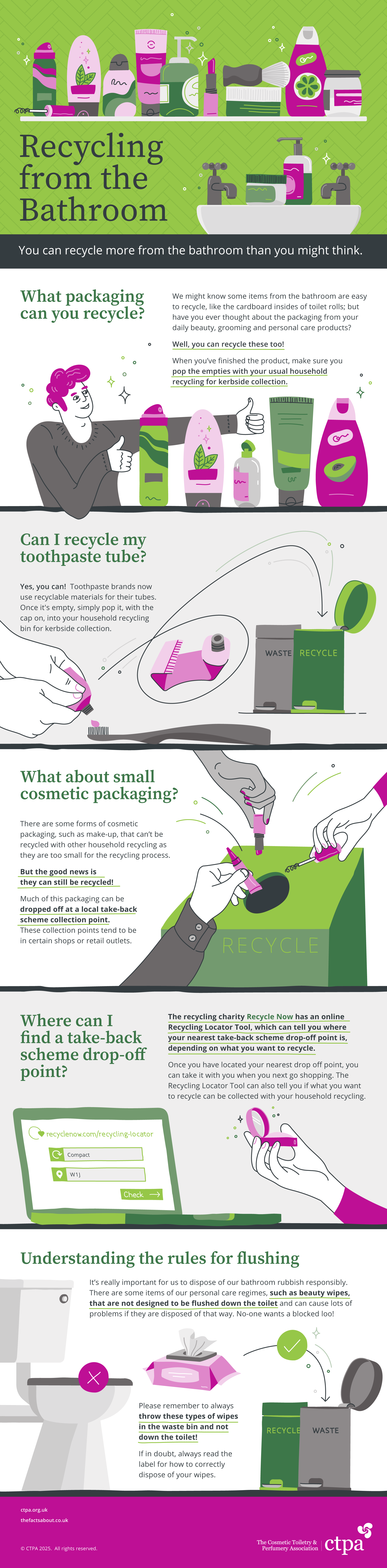

The packaging we use for cosmetics and personal care products plays an essential role. It keeps our products safe, carries important information, and makes them easy to use. But ensuring that the finished, empty packaging is collected and kept out of the environment is essential. Many of us recycle regularly from the kitchen, but bathroom products often get overlooked. Items like shampoo and conditioner bottles, shower gels, bubble baths, deodorants, hairsprays and even perfume bottles can often be recycled too. Once they are empty, check if they can go in your household recycling collection. It’s a simple way to reduce waste and preserve valuable resources.
Understanding recycling symbols
Many product labels include recycling information. However, not all local authorities provide the same recycling services, meaning some may not collect certain materials that others do, even if they appear on packaging. Residents can find out what their specific council accepts by checking their official website or waste collection information.
If you want help understanding the symbols themselves, RecycleNow offers a guide that explains what they all mean.
Take-back schemes
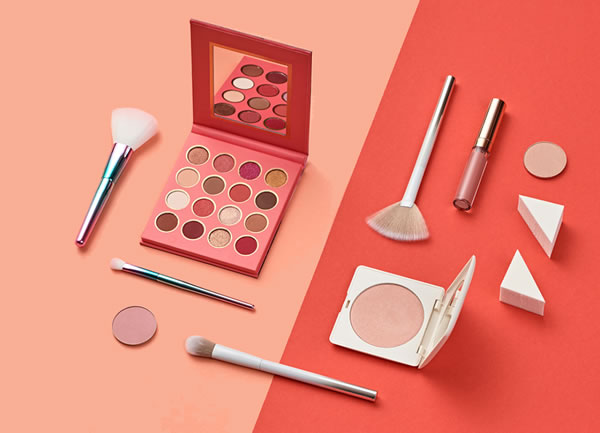
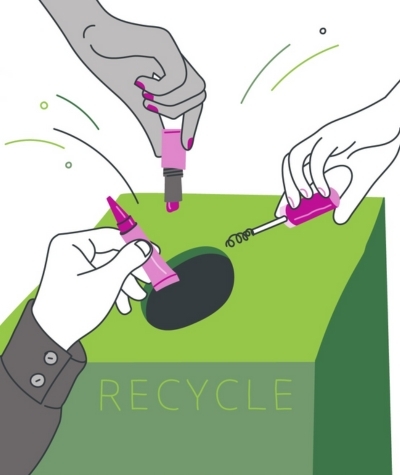
Some cosmetics packaging, especially small items, can’t always be recycled at home. Things like pumps, caps, certain tubes or decorated packaging can sometimes contaminate the recycling process or fall through sorting systems.
To help tackle this, many brands now offer take-back schemes, with in-store collection boxes for cosmetics packaging that can’t go in your household recycling bin. These schemes are a great way to make sure more beauty and personal care packaging is recovered and recycled, instead of going to landfill.
To find your nearest recycling point for beauty packaging, you can use RecycleNow’s Recycling Locator Tool, which allows you to search by postcode. The British Beauty Council also has an interactive map showing recycling locations across the UK.
Recycling tips
Recycling is an important part of reducing waste, but there are ways to make your efforts more effective and environmentally friendly.
- Do not make a special trip by car to take packaging for recycling; the fuel used will greatly outweigh anything saved by recycling. Always combine a trip to a recycling point with another journey.
- Wash empty bottles but do not use fresh, clean hot water. Again, the energy used to heat the water will outweigh what is being saved by recycling. Re-using dishwashing or soapy water is a better choice.
If you have a kerbside collection system organised by your Local Authority, follow its advice on what types of waste are accepted and on separating the waste into different types, such as plastic, glass, metal tins or cans, etc.
- If you do not have kerbside collection, many national supermarket chains have facilities to take packaging waste. Local Authorities will also provide information on local recycling sites.
- Remember to recycle when you are out and about too. Recycling bins are much more common but if you can’t find one, then take the rubbish home with you.
- Lastly, it is as important to recycle from the bathroom as it is from the kitchen. And remember your toilet cannot support any other material than toilet paper and explicitly flushable wipes (check on packaging); other wipes, cotton pads, hygiene products etc. should never be flushed down the toilet.
Want to learn more?
The UK Government has created Waste Resources Action Programme (WRAP), an organisation that helps individuals, businesses and local authorities to reduce waste and recycle more. WRAP's Clear on Plastics Campaign for beauty products has great information on reducing, refilling and recycling in the bathroom.
The UK Packaging Pact brings together organisations and individuals to change packaging for good, marking a new era for circular packaging solutions. The UK cosmetics industry is an official supporter of the UK Packaging Pact.
Further information can be found about recycling of aerosols on the British Aerosol Manufacturers Association (BAMA) and ‘The Lonely Aerosol’ campaign.
By making small changes to how we recycle beauty and personal care packaging, we can all help reduce waste and protect the planet - starting in our own homes.
Download our Recycling from the bathroom infographic.
NB. Toothpaste tubes made from PET, PP, HDPE and LDPE will be recyclable from 31 March 2026 by Local Authorities in England.