

When it comes to cosmetics and personal care products, the label isn’t just decoration, it is there to give you useful information. From ingredients to usage instructions, symbols to shelf life, taking a closer look can help you use your products safely and confidently.
What the law requires
Every cosmetic product sold in the UK must meet strict safety standards. These laws also require certain information to appear on the label or packaging, including:
- What the product is if it’s not obvious (e.g. “Body Lotion”)
- An ingredient list following the international INCI naming system
- Warnings or usage instructions if needed to help explain how you should use the product
- Shelf life details either as a “Best Before” date or a “Period After Opening” symbol
- Net contents showing how much product is in the container
You may also see helpful information from the manufacturer about what the product does and what to expect from it.
Ingredient lists: What they tell you
All ingredients within the product must be listed on the packaging, primarily to help people with diagnosed allergies avoid substances that they are allergic to. To make this easier across countries and languages, the industry uses INCI, the International Nomenclature of Cosmetic Ingredients. This standardised naming system is used across Europe and in many countries worldwide.
Here’s how to read an ingredient list
A label always starts with the word INGREDIENTS
Ingredients are listed in descending order of weight
INCI names are used because they accurately describe the ingredient and the names are the same across most countries in the world
Fragrance is listed as “Parfum”. Certain fragrance or natural extract ingredients which are most often associated with allergy must also be labelled separately
Flavours (like in toothpaste) appear as “Aroma”
Colours use CI numbers, e.g. CI 15580
For makeup and colour cosmetics, you'll often see a list of colours preceded by “+/-”, meaning the product may contain any of those listed colours, because it is available in a number of different shades.
Shelf life symbols: What they mean
Best Before Date
If a product has a shelf life of less than 30 months, it must show a “Best Before” date, either written out (e.g. EXP 03/26) or shown with an egg timer symbol.

Period After Opening (PAO)
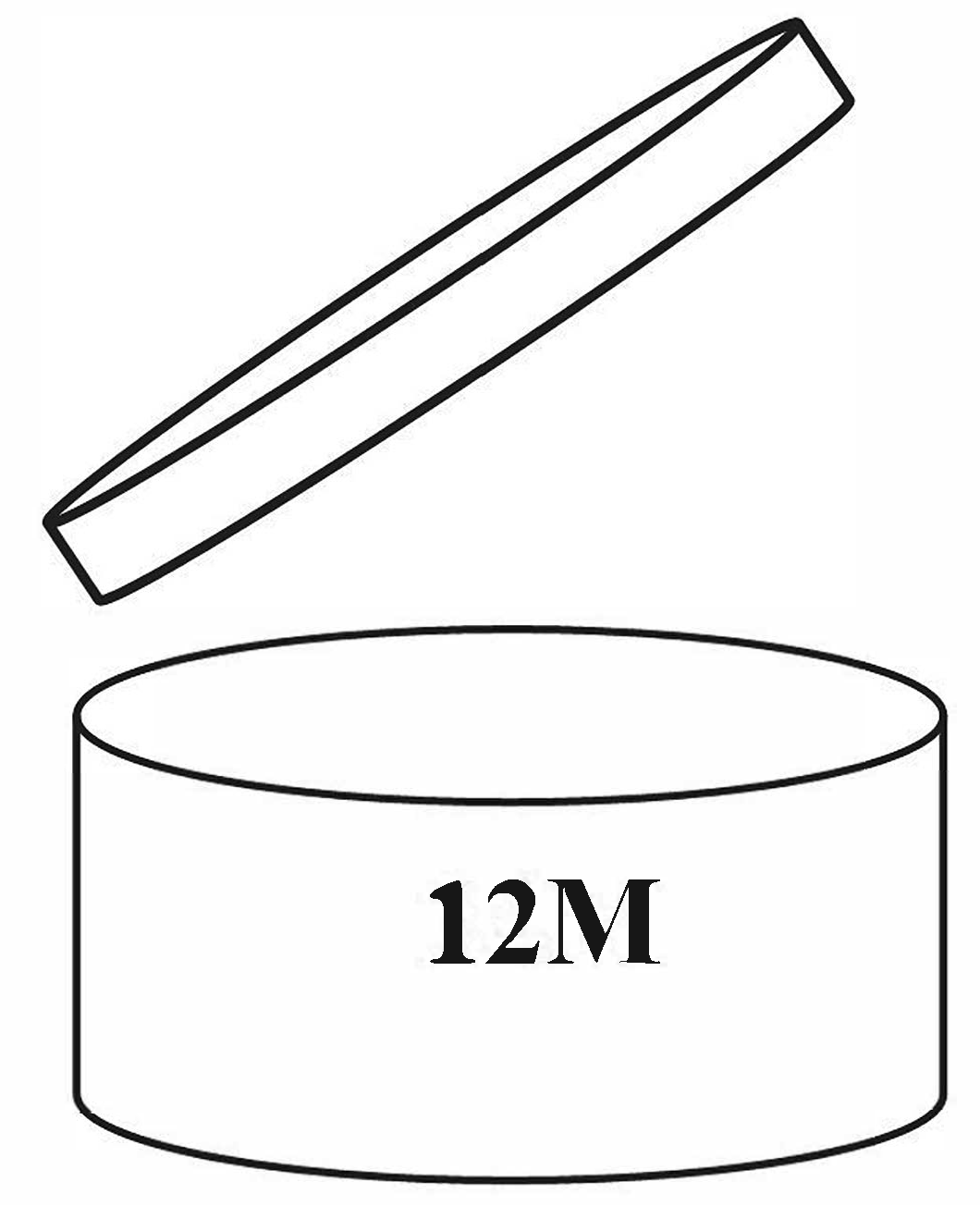
For products with a longer shelf life, you’ll see a symbol of an open jar, with a number (like 12M) showing how many months the product will last after you first open it. Some products (like aerosols or perfumes) don’t need these symbols because their ingredients or packaging mean they rarely deteriorate over time.
Net Contents
The label will show how much product the pack contains. This will be shown in grams (g) for solids or millilitres (ml) for liquids. You may also see an “e” mark, which means the contents meet official UK/EU average fill requirements.
Single use, very small packs and free samples are exempt from net content declaration. Products under 5g/ml are not eligible to use the "e" mark.

Recycling Symbols
While some packaging symbols are commercial (like barcodes), many help you understand how the product is recycled.
The Green Dot (two interlocking arrows) means the brand is part of a packaging recovery scheme — common in Europe, but not required in the UK.
Other recycling logos may show how to dispose of the pack or which materials it's made from.

Small Product Labelling
For very small products, there may not be enough space on the product for this information. In these cases, the “hand and book” symbol means that extra information, like the ingredients or safety instructions, can be found on an enclosed leaflet, card, or fold-out label.

Sunscreen Labelling
Read more on sunscreen labelling.
Further information about cosmetic ingredients
COSMILE Europe App
The COSMILE Europe app from Cosmetics Europe, the European personal care association, provides access to reliable, verified and scientifically supported information on cosmetic ingredients in a transparent and accessible way, giving us confidence in the essential products we use every day.
This information is also available on the COSMILE Europe database; the COSMILE Europe app and database provide reliable, verified and scientifically supported information on almost 30,000 ingredients, helping us understand why certain ingredients are used in our cosmetic products, which properties they have and much more. The app version is also free and it is available in many languages.
Special features and benefits of the COSMILE Europe App
The app is a ‘mobile’ source of information, easy to use at home, in a store, or on holiday.
Thanks to its scanning feature which allows the user to scan an ingredients list on a product, there is improved accessibility to information, for instance when the packaging is small or the surrounding light is not optimal for reading.
The app offers the ability to track and therefore avoid ingredients if you have an allergy.
Note for UK Consumers
While COSMILE Europe provides regulatory information based on EU law, the app is also available in markets outside the EU, including the UK. Users should be aware that some ingredient regulations may differ. Each ingredient entry clearly states: “Regulating cosmetics - Cosmetics Ingredients are subject to regulation. Please note, different regulations may apply to cosmetic ingredients outside the EU.”