

The structure of the skin
Our skin is composed of three main layers, each playing a crucial role in our health and appearance. The outermost layer is the epidermis, which acts as a barrier and is responsible for renewing skin cells. Beneath it lies the dermis, a thicker layer that houses blood vessels, nerve endings, sweat glands, and hair follicles. The deepest layer is the subcutaneous fat, which cushions the body and insulates it, while also containing larger blood vessels and nerves.
The stratum corneum - the skin’s outer barrier
A key part of the epidermis is the stratum corneum - the skin’s outer barrier. This layer is vital for maintaining hydration. Ideally, it contains up to 15% water. When moisture levels drop below 10%, skin can become visibly dry, flaky, and tight. In more extreme cases, the skin may lose its flexibility and begin to crack.
The spaces between the cells in the stratum corneum are filled with lipids (fats) and other substances that help retain moisture. Within each cell is a mix of amino acids and salts known as the natural moisturising factor (NMF). These water-soluble components are critical to helping skin cells hold onto moisture and regulate natural water loss.
However, because NMF is water-soluble, it can be easily rinsed away, especially when strong soaps, harsh detergents, or solvents are used. When this protective layer is stripped, the skin's ability to retain moisture is compromised, leading to dryness and irritation.
Skin cell renewal
Skin is constantly regenerating. Old cells on the surface are naturally shed and replaced by new ones from beneath. This process is regulated by enzymes in the epidermis, which require adequate moisture to function effectively. If skin becomes too dry, these enzymes can’t work properly, and dead skin cells may accumulate, making the skin appear dull or rough. Maintaining the health and hydration of our skin is more than just a cosmetic concern, it's about supporting a living barrier that protects us every day.
Cosmetic products and our skin
Cosmetic products are carefully formulated to ensure ingredients are delivered to the appropriate site on the skin or hair. The skin is an effective barrier against penetration which is why even today most medicines have to be swallowed or injected and very few can be absorbed through the skin from topical patches.
The safety assessment required for each cosmetic product before it is placed on the market takes into account any possibility of skin penetration, including as necessary any use on damaged skin, to ensure these products are safe for us.
Moisturisers
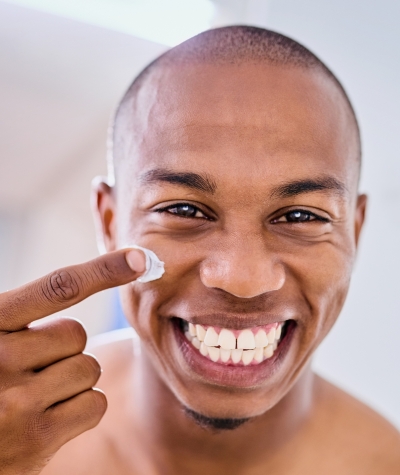
Moisturisers are designed to hydrate and protect the skin. Most facial moisturisers are made as oil-in-water emulsions, where tiny droplets of oil are blended into a water base. To keep the mixture stable, ingredients like emulsifiers and thickeners are added.
One of the key ingredients in moisturisers is a humectant, such as glycerin, which attracts and holds water in the skin. This helps to increase moisture levels and prevent dryness. When skin is dry, cells are shed too quickly and often clump together, appearing as flaky patches. Regular use of moisturiser helps restore moisture and encourages normal cell turnover, which improves the skin’s texture and appearance.
Because moisturisers contain water, they also need preservatives to stop the growth of bacteria or other microorganisms, ensuring the product stays safe and effective.
Moisturisers vs serums
Serums are lighter and more concentrated than moisturisers. They often target specific concerns like fine lines, dark spots, or dullness and are typically applied before moisturiser. While moisturisers focus on hydrating and softening the outer layers of skin, they too may include active ingredients for additional benefits.
Both serums and moisturisers are formulated to ensure ingredients reach the right part of the skin. This includes considering how ingredients interact with skin layers and how they’re absorbed. All cosmetic products undergo safety assessments, which include evaluating whether ingredients might penetrate the skin and ensuring they pose no risk.
Anti-ageing benefits
Anti-ageing products aim to reduce the visible signs of skin ageing, such as wrinkles, uneven tone, and loss of firmness. While we can’t stop ageing, skincare can help slow its effects. Daily moisturisers and foundations that contain UV protection help defend against sun damage - one of the biggest contributors to premature ageing. Using SPF-containing products regularly is a simple yet powerful way to protect your skin over time.
Other anti-ageing ingredients include antioxidants, which help neutralise free radicals, and alpha hydroxy acids (AHAs), which gently exfoliate the skin to promote cell renewal. The key to success lies in combining these ingredients in formulas that are both effective and pleasant to use. Claims made about these products must be backed by science and clearly explained to consumers.
Read more about cosmetics claims.
Moisturisers do much more than simply hydrate - they support healthy skin, improve appearance, and can offer added benefits like sun protection or targeted treatment. Whether you choose a simple hydrating cream or an advanced anti-ageing formula, the science behind moisturisers plays a vital role in how they work and how they make you feel.